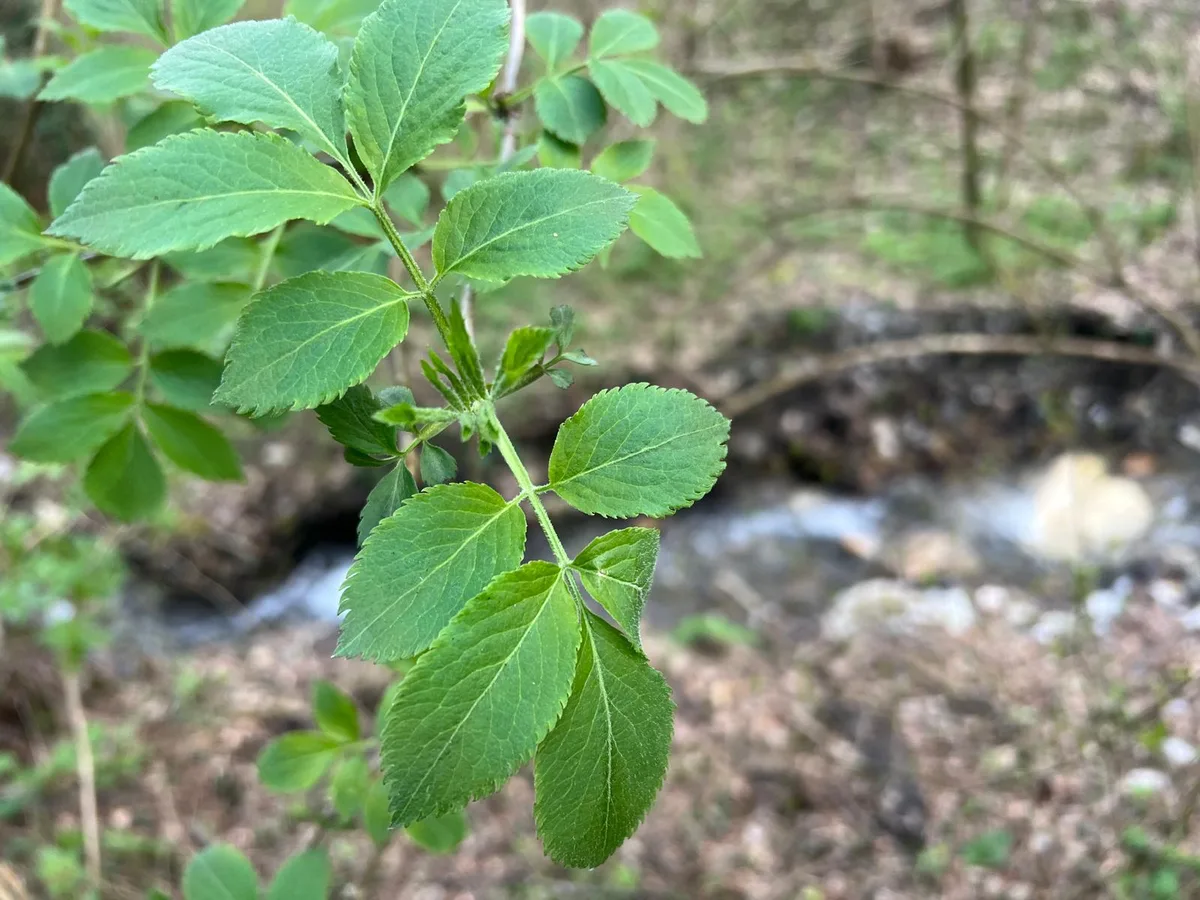
Gisteren liep ik door het bos om de ontwikkeling van de wilde vlier te volgen. De boslucht was fris en helder — hier en daar ving ik de geur op van wilde kers die al begint te bloeien op de zonnigere plekken langs het pad. De vlier zelf staat nog in de beginfase: de vegetatieve knoppen gaan open en vormen jong blad en nieuwe twijgen. De generatieve knoppen — die later de bloemschermen zullen voortbrengen — zijn nog gesloten.
Wanneer de vlier precies bloeit, is moeilijk te voorspellen. Dat hangt af van temperatuur, zonuren en neerslag. In het bos begint de bloei doorgaans rond half mei. In extreme jaren kan dat begin of eind mei zijn. In steden bloeit de vlier aanzienlijk vroeger — de hogere lucht- en bodemtemperatuur versnelt het proces. Maar de vlier die in steden als sierboom of -struik groeit, oogsten wij uiteraard niet.
Vegetatieve en generatieve knoppen
De vegetatieve knoppen vormen blad en nieuwe twijgen — zij bouwen de structuur van de plant op. De generatieve knoppen zullen later de bloemzametjes voortbrengen die uitgroeien tot de kenmerkende witte schermbloemstanden. Dit is de volgorde die de natuur dicteert, en die wij elk jaar opnieuw volgen.
Waarom de vlier zo bijzonder is
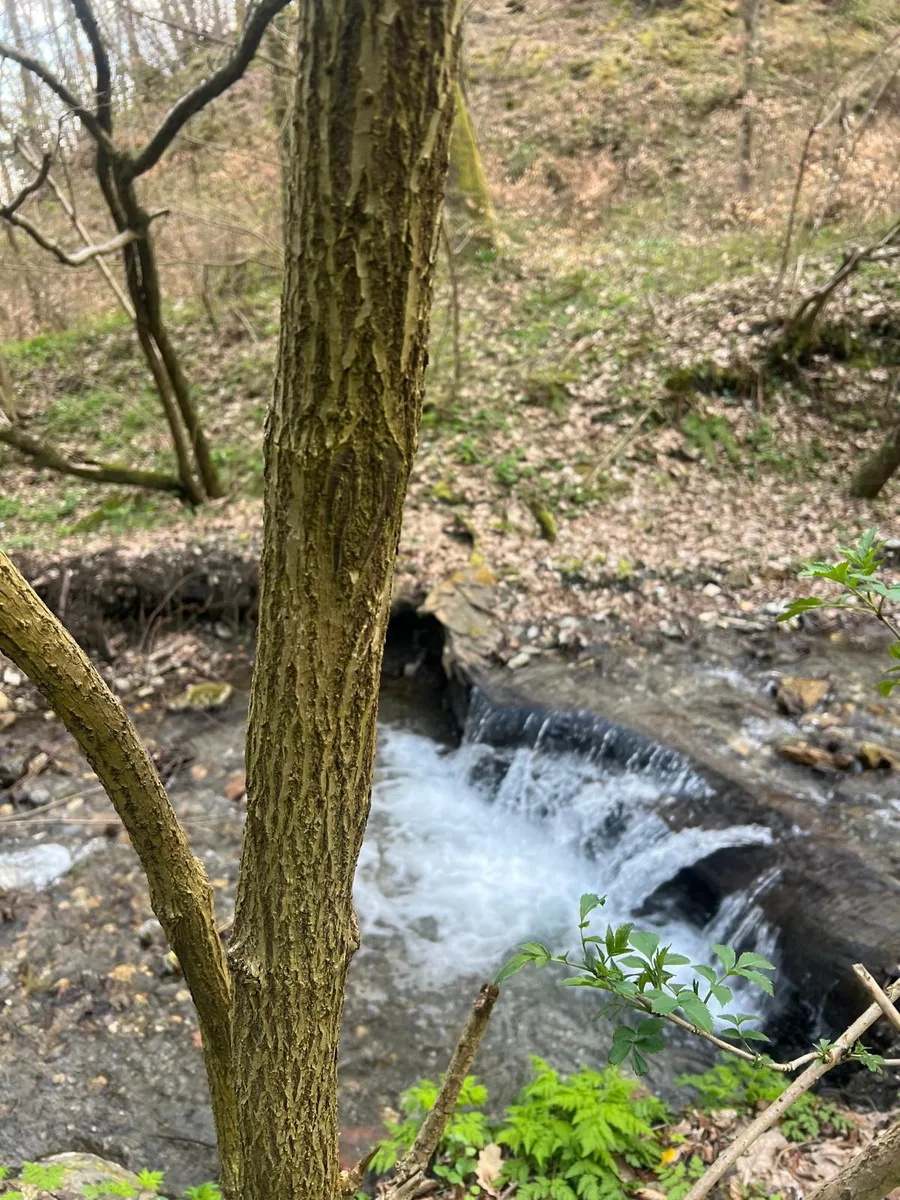
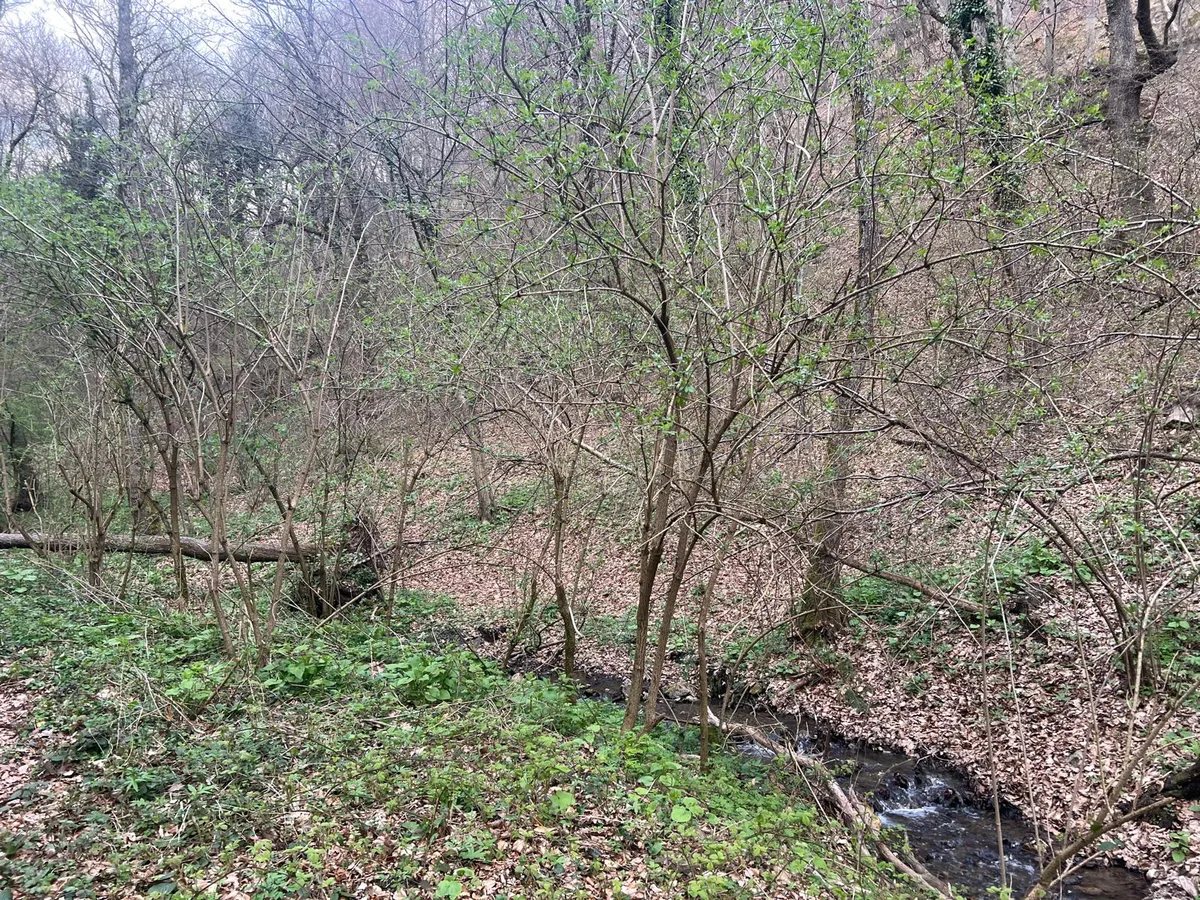
De zwarte vlier groeit overal in Kroatië: langs bosranden, aan waterkanten, op verlaten akkers. De plant houdt van water — langs beken en rivieren vind je vaak hele kolonies vlierstruiken. De planten die op hogere, koelere locaties groeien — zoals in de Zagorje en de Gorski Kotar — produceren bloemen met een intensere, complexere geur dan die in de laaglanden. De vlier groeit meestal als struik, maar kan ook een echte boom worden met een stam van wel 50 centimeter doorsnede. De schors is dan diep gegroefd en karakteristiek gebarsten.
Toponiemen als gids naar de vlier
Een bijzondere manier om vlierlocaties te vinden is via topografische kaarten. In Kroatië en Slovenië zijn plaatsnamen als Bezgova Draga (een dal in de Lika-Senj regio) en Bezgova Greda directe aanwijzingen dat er van oudsher vlier groeide. Bezeg is de dialectische naam voor vlier in die streken — een Slavische naam met een eigen, onafhankelijke etymologie. Wie de kaart leest, kan al voorspellen waar de beste plukplekken zijn.
Van bloem tot siroop — ons productieproces
Onze vlierbloesemsiroop wordt gemaakt via een traditioneel masereerproces. De verse bloemen worden direct na de oogst ondergedompeld in een oplossing van water, suiker en citroenzuur — niet in water alleen. De suiker en het citroenzuur verhogen het osmotisch potentieel van de vloeistof, waardoor de aromatische stoffen uit de bloemen vollediger en efficiënter worden geëxtraheerd. Industriële producenten gebruiken vaak waterextracten of kunstmatige aroma's — wij niet.
Wanneer begint de oogst?
Wanneer precies, weten we nog niet. De natuur bepaalt dat — niet de kalender. In het bos verwachten wij de eerste bloemen rond half mei, maar een late vorst of een warme periode kan dat verschuiven. De komende weken volgen wij de ontwikkeling op de voet en plaatsen regelmatig updates.
Biologisch gecertificeerd, van oorsprong tot fles
Al onze wilde planten worden geoogst in gebieden die vrij zijn van pesticiden en kunstmest. De vlierstruiken die wij gebruiken groeien in bossen en op weilanden die al generaties lang niet chemisch behandeld zijn. Onze producten zijn gecertificeerd biologisch — niet omdat het een marketingterm is, maar omdat het de enige manier is waarop wij willen werken.
Tot de volgende update — en tot het seizoen begint.