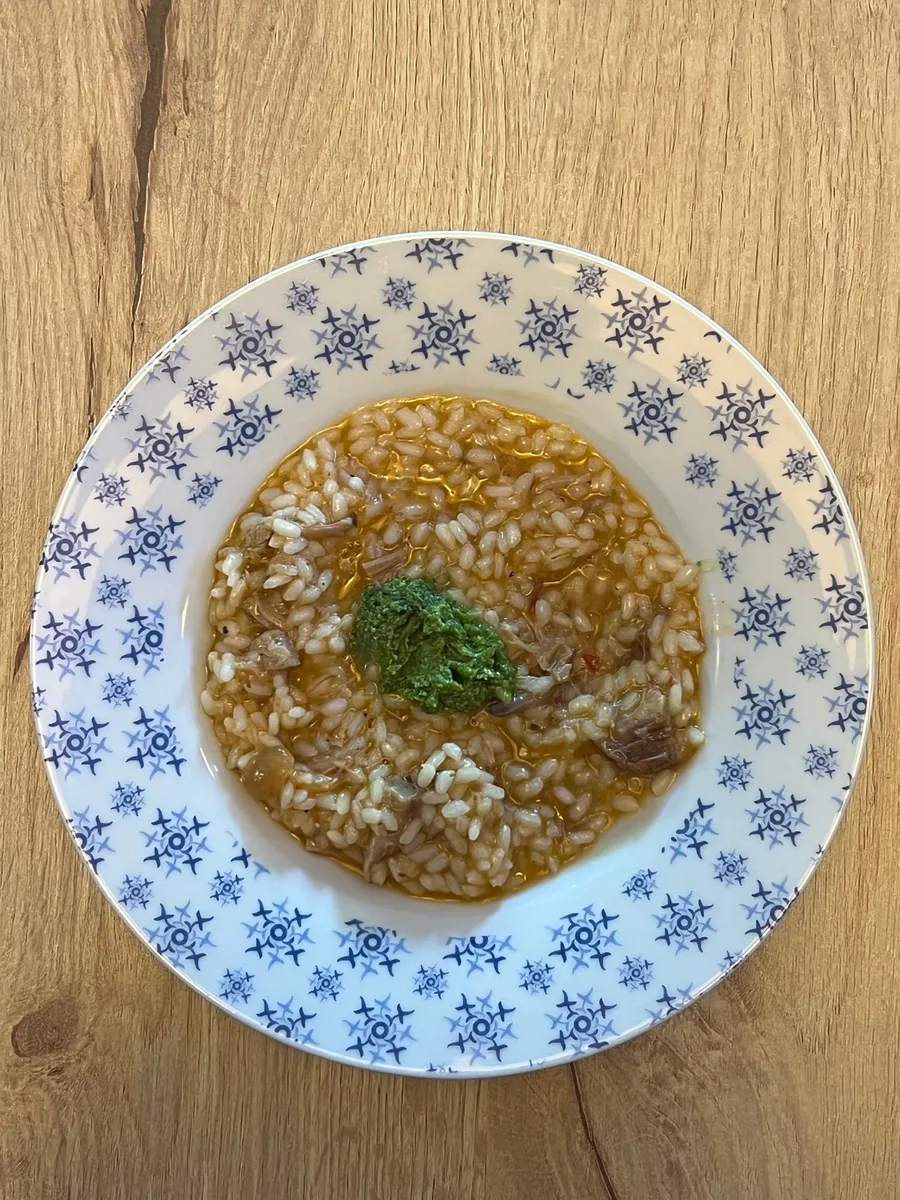
Ik was net terug in Zagreb na een bezoek aan Londen, waar we exposeerden op de IFE beurs. Ik hou van Londen en alles wat het te bieden heeft — net als Amsterdam en andere grote steden met hun rijkdom aan cultuur en beleving. Maar ik ben geboren in Zagreb, in Kroatië, en dat land biedt iets heel anders. In zijn eenvoud heeft het de natuurlijke schoonheid weten te bewaren en toegankelijk te houden voor iedereen.
Heel Kroatië is zo. Vijftig procent van het land is bos — oorspronkelijk bos. Tien procent van het oppervlak staat onder bescherming. Het land heeft de vorm van een hoefijzer en kent drie klimaatzones: het vlakke binnenland, het bergachtige gebied en de mediterrane kust. Omdat het land klein is (56.000 km²), lopen die zones in elkaar over. Op de Velebit — het gebergte dat de mediterrane kust scheidt van het continentale binnenland — groeien heide, salie, oregano, vlier, tijm, brandnetel en paardenbloem door elkaar.
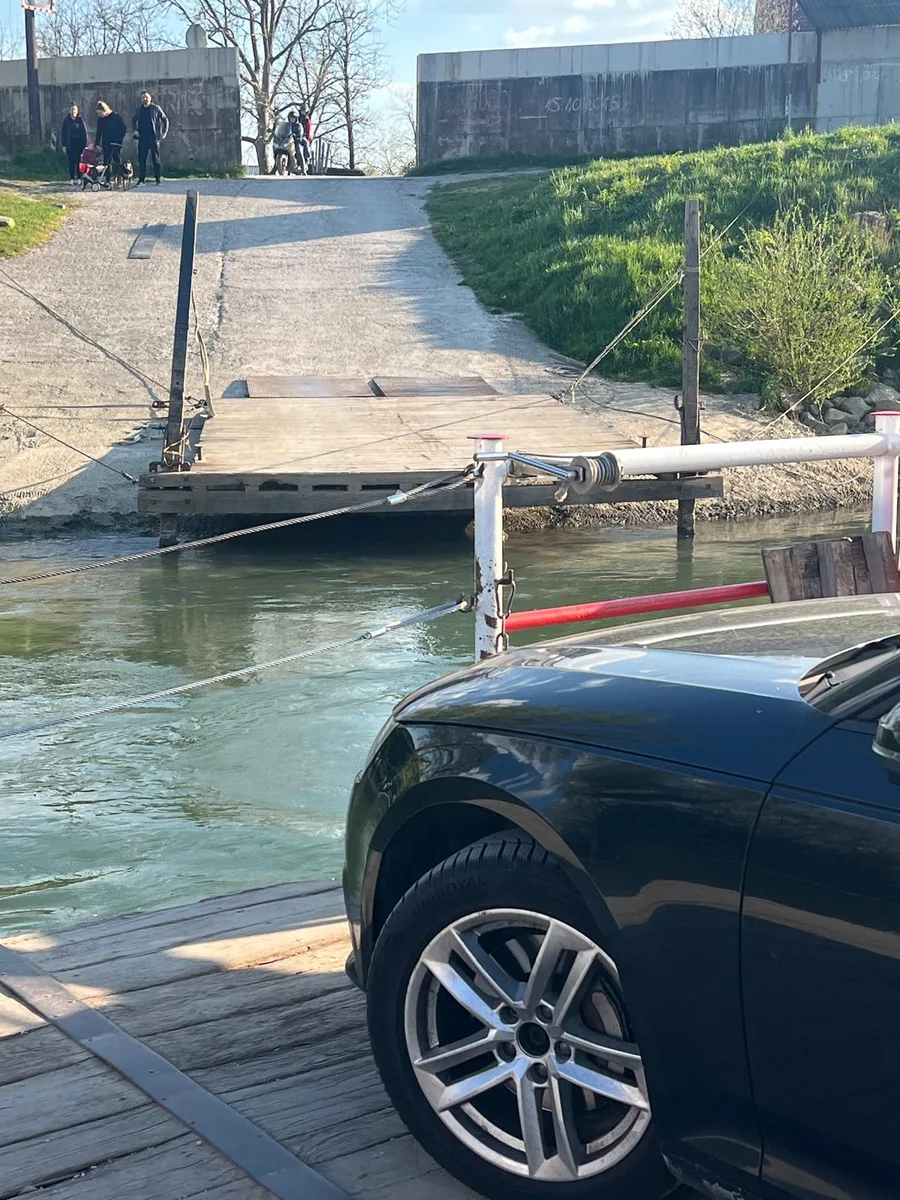
Op vrijdag keerde ik terug naar ons bedrijf. Omdat het een lang weekend was — Pasen — en we een familiediner hadden gepland, besloot ik een omweg te maken langs het bos om daslook te plukken voor een pesto die het zondagse middagmaal zou completeren. Onze productie ligt ten noordwesten van Zagreb, precies waar het verkeer voor Pasen het drukst is. In plaats van in de file te staan, koos ik een alternatieve route die in de EU vrij ongebruikelijk is: een pont over de rivier de Sava.
Ponten worden gebruikt waar geen brug is — op plaatsen waar mensen aan de ene kant van de rivier wonen en hun landbouwgrond, school, winkel of dokter aan de andere kant hebben. Het zijn houten en metalen platforms die drijven op de rivier en gebruikmaken van de stroming en een roer (meestal van acacia) om van oever naar oever te varen. Ze zijn vastgemaakt aan een kabel die de twee oevers verbindt, zodat ze niet mee worden gevoerd door de stroom maar enkel dwars oversteken. Zo'n pont neemt doorgaans vier tot zes auto's of tractoren mee, plus fietsers en voetgangers.
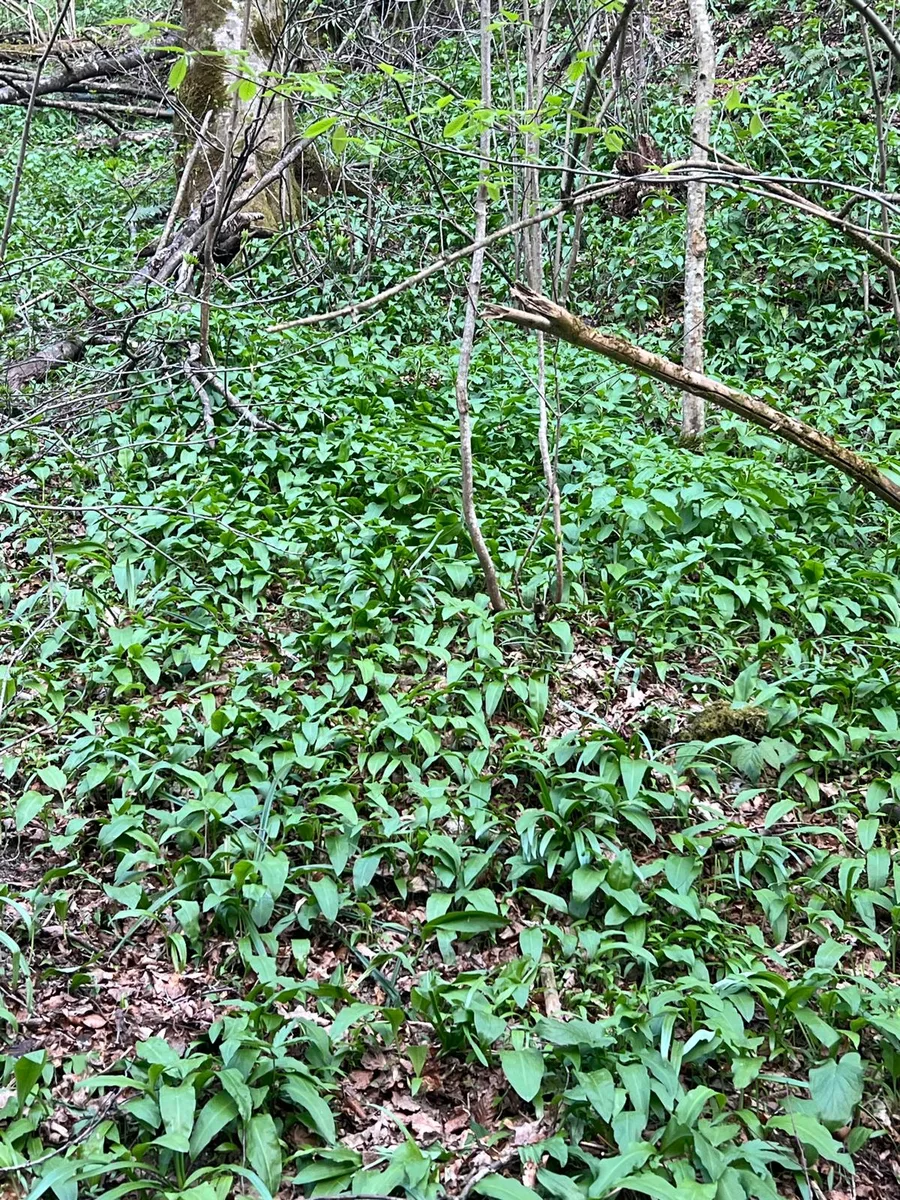
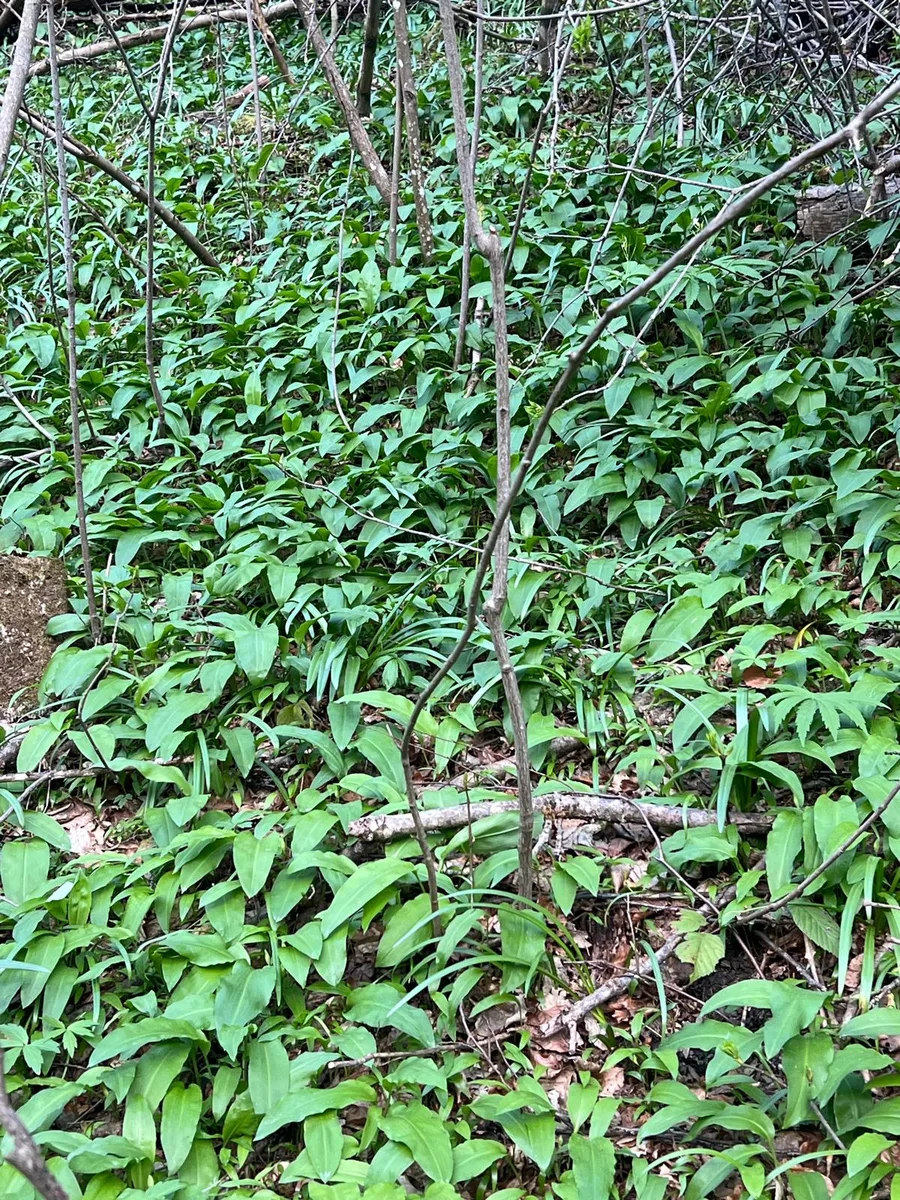
Na de oversteek reed ik richting het Samoborsko Gorje, een heuvelland op de grens met Slovenië. Op sommige plekken even ontoegankelijk als de Dalmatische eilanden, maar een prachtig bewaard stuk natuur. Ik kende de vindplaatsen van daslook al goed. Ik plukte de bladeren op een helling, samen met de bloemknoppen die net begonnen te verschijnen.
Wat is daslook?
Daslook (Allium ursinum L.) — ook bekend als wild knoflook of berenknoflook — is een vaste bosplant die 20–40 cm hoog wordt. Het is nauw verwant aan knoflook en heeft dezelfde etherische olie, wat hem die karakteristieke zwavelachtige geur geeft. De naam verwijst naar beren die het in het voorjaar eten na hun winterslaap, als eerste voedsel rijk aan mineralen.
Daslook groeit in schaduwrijke, vochtige loofbossen, langs bospaden en beken, van laagland tot 1900 m hoogte. In beukenbossen bedekt het vaak grote oppervlakten. Ljubiša Grlić vermeldt in zijn Encyclopedie van wilde eetbare planten dat daglichttoeristen uit Zagreb het in groten getale kunnen vinden op het Samoborsko Gorje.
De lentebladeren zijn rijk aan vitamine C (20–50 mg%) en caroteen. Daslook is niet alleen een smaakvolle specerij — net als knoflook heeft het een gunstige werking bij aderverkalking en hoge bloeddruk. Het wordt uitsluitend vers gebruikt: door drogen of lang koken verliest het zijn typische geur en smaak.
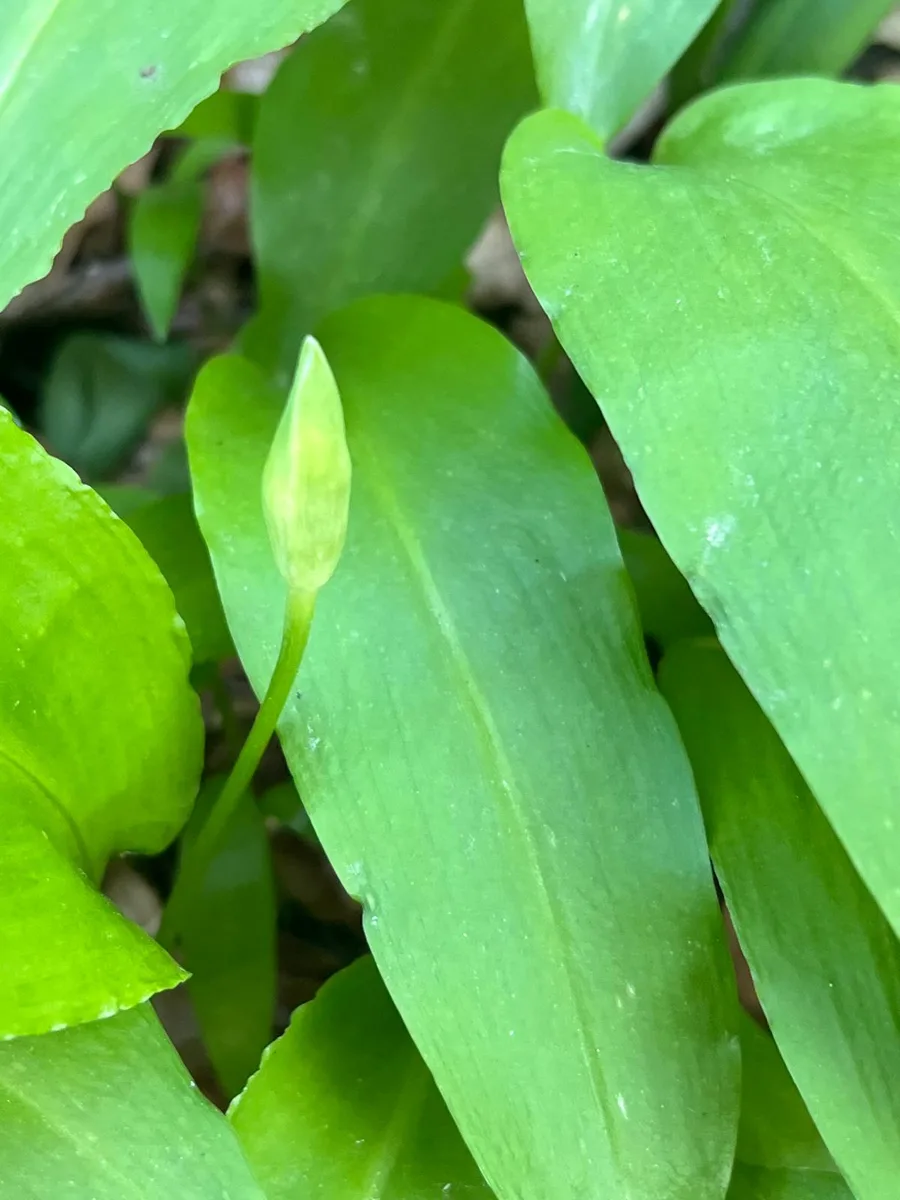
Belangrijk: Leer de plant goed kennen voordat je hem plukt. Daslook ruikt altijd naar knoflook — dat is het sleutelkenmerk. Gevaarlijke verwisselingen zijn lelietje-van-dalen (Convallaria majalis), herfsttijloos (Colchicum autumnale), witte nieswortel (Veratrum album) en gevlekte aronskelk (Arum maculatum) — alle vier giftig, alle vier op dezelfde standplaatsen. Geen van hen ruikt naar knoflook. Pluk het niet als je er niet zeker van bent.
Daslook pesto recept
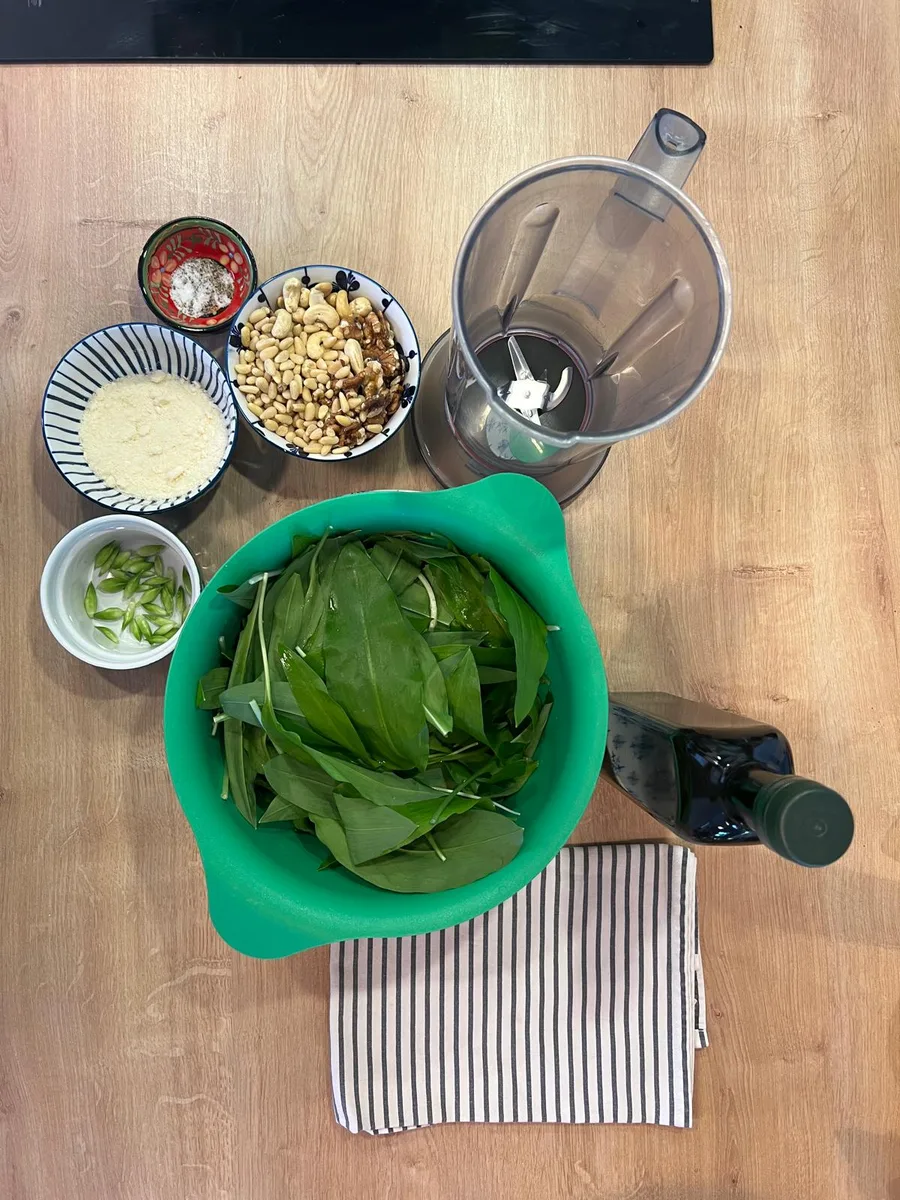
- Verse daslookbladeren + bloemknoppen
- Walnoten
- Cashewnoten
- Pijnboompitten
- Parmezaan
- Extra vierge olijfolie
- Zout en peper
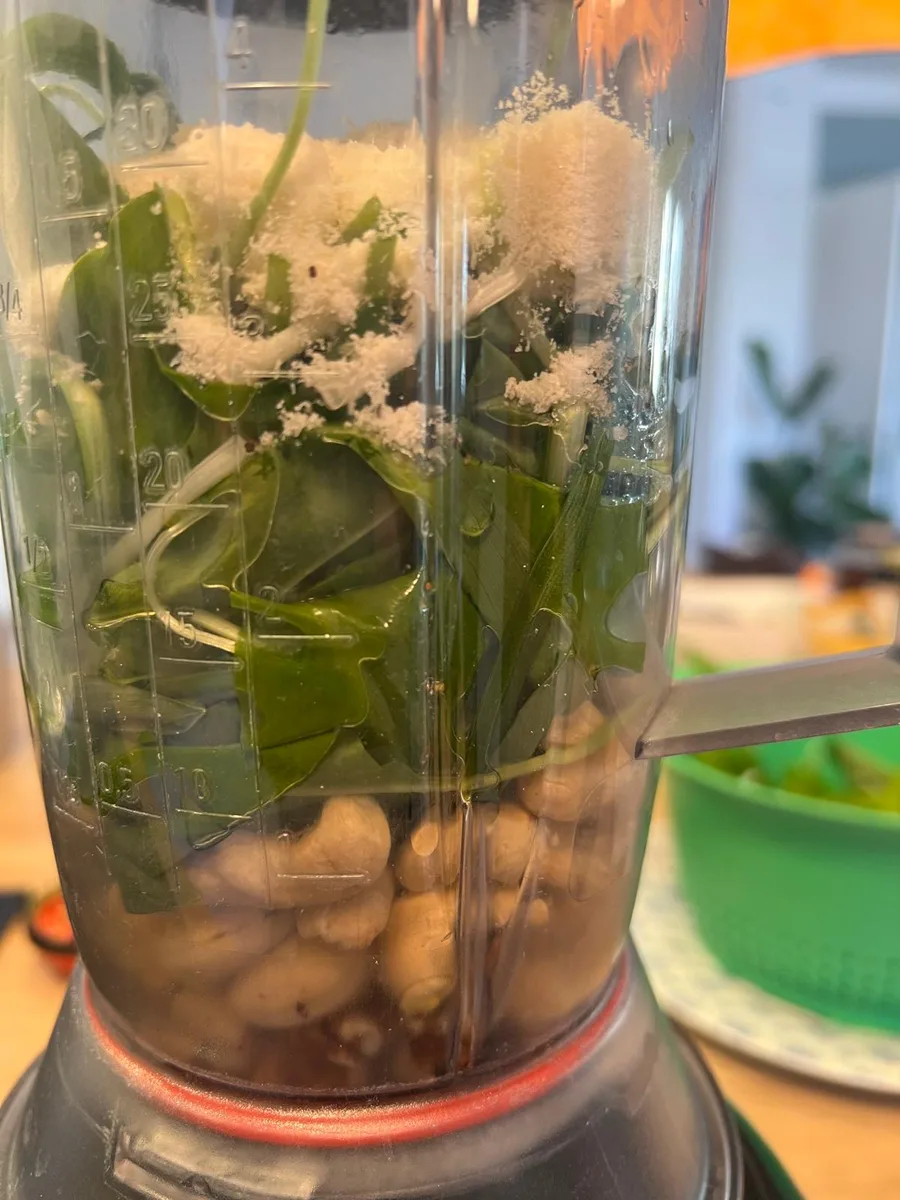
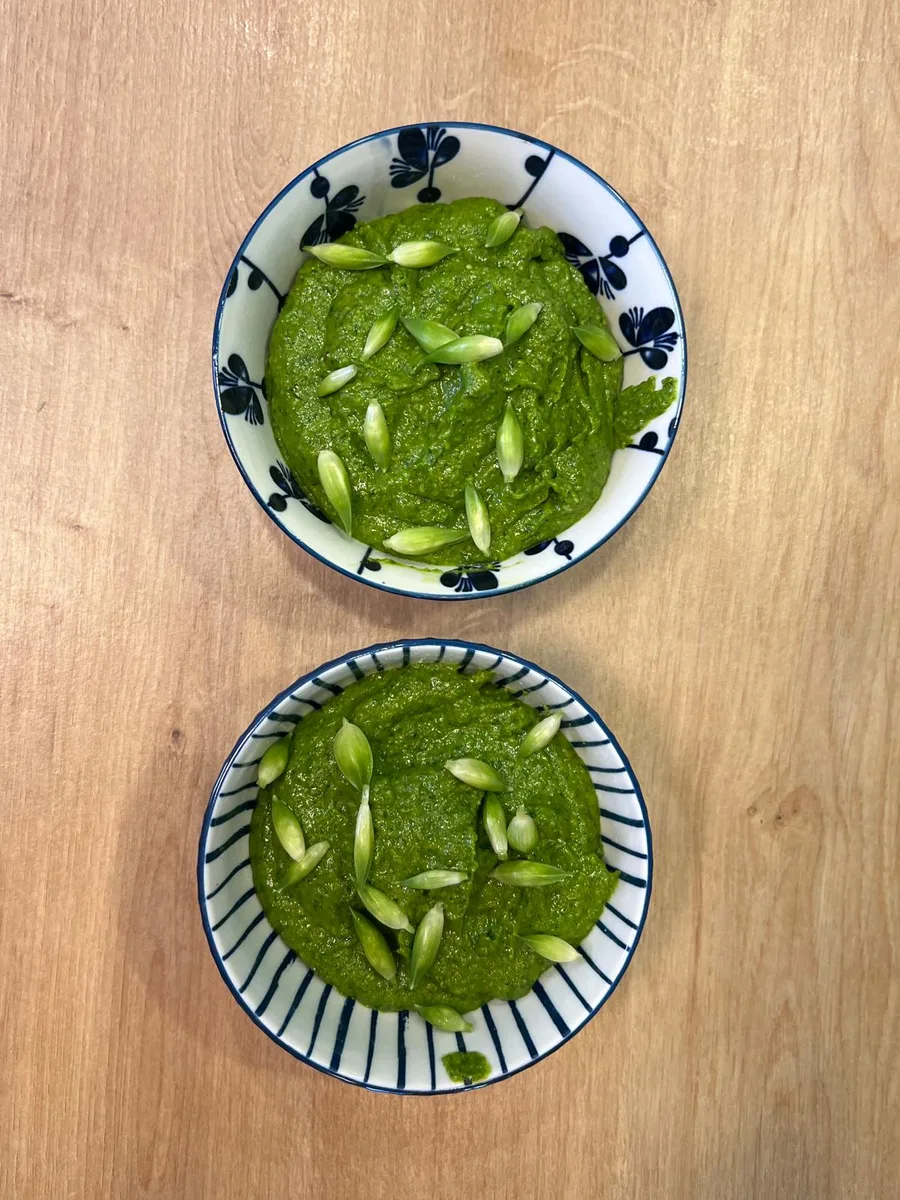
Bereiding: Doe alle ingrediënten in een blender of keukenmachine. Mix tot een grove pesto — niet te fijn. Proef en breng op smaak. Bewaar in een goed afgesloten pot in de koelkast, bedekt met een laagje olijfolie. Houdt een week.
De lente is kort, en wilde planten nog korter. Datzelfde gevoel — van frisheid, natuur, iets wat je niet in de supermarkt kunt kopen — proberen we ook in onze siropen te vangen. Ben je benieuwd wat we doen met de vlier die op dezelfde hellingen van het Samoborsko Gorje groeit? Bekijk onze vlierbloesemsiroop.